Luxury Farmhouses.in blends market expertise with modern strategy to create premium estates and long-term wealth opportunities.
Luxury Farmhouses.in blends market expertise with modern strategy to create premium estates and long-term wealth opportunities.
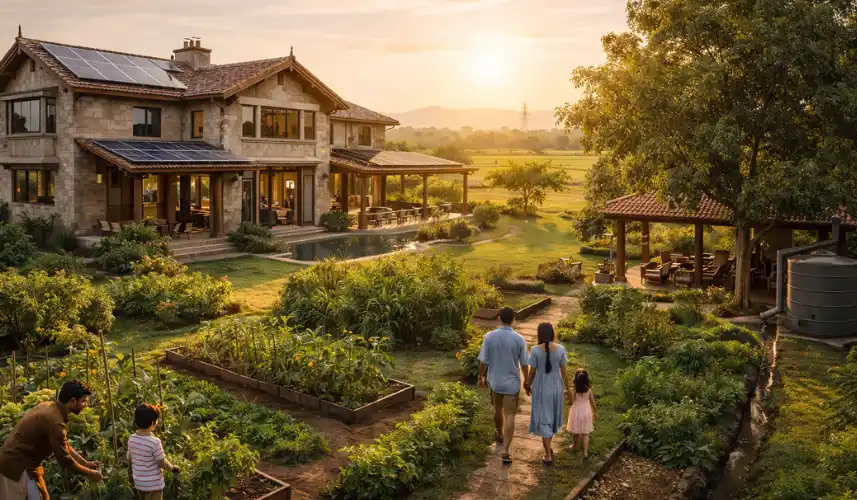
Luxury farm houses have been regarded as the icons of comfort, space and exclusivity. They are also now becoming role models of responsible living. Green decisions do not only save the environment, but also enhance comfort in the long-term, lower the cost of running and provide a healthier lifestyle. Making a living in luxurious farmhouses is about combining the benefits of modern comfort with the consideration of the use of the natural resources.
Sustainability does not imply foregoing luxury. It is daring to make wiser choices that will minimize environmental pollution and at the same time maintain high standards of living. Sustainability, in farmhouses, is aimed at efficiency in energy use, water conservation, environmentally friendly materials and harmony with nature. Luxury and sustainability can co-exist with the appropriate planning.
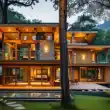
Energy-efficient design is one of the best methods to advertise the use of eco-friendly farmhouses. The building is oriented properly to ensure that the building makes the most of the natural light and airflow to minimize the use of artificial lighting and air conditioning. The use of solar panels is gaining popularity since India is a place where there is no shortage of sunlight throughout the year. Government data indicates that rooftop solar systems have potential to cut down on electricity use to as much as 60 percent, hence they are quite feasible and economical to large buildings.
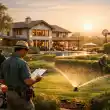
Sustainable living in rural and semi-rural regions requires water management. Rainwater harvesting systems can be used to store water to use in the landscaping and in everyday activities. Greywater Recycling, which recycles the sink and shower water to be used in the garden, reduces the amount of water wastage more. Minor changes like low-flow fixtures and drip irrigation systems would make a significant impact with time.
The carbon footprint of construction is reduced by using natural and locally available materials. Stone and old wood used, clay tiles, and lime plaster are some of the materials that not only appear beautiful, but they also control the temperature in the building. Sustainable interior design also encompasses non-toxic paint, energy efficient, and long lasting furniture which saves on waste and last longer.
The point of sustainable landscaping is based on native plants that use less water and less maintenance. Fruit trees, vegetable gardens and shaded foot walks create greenery that increase the beauty and functionality. Organic waste in the farmhouse can be composted to enrich the soil in a natural way and also minimizes household waste.
Luxury farmhouses do not require strict rules but balance in order to live in a sustainable environment. Small and consistent decisions will result in environmental saving effects in the long term and quality of life. Combining all of these elements of comfort, nature and responsibility, one will find that the space is indeed complete.
Sustainable living is a new luxury that is becoming a necessity today particularly in farmhouse living where impromptu space and nature go hand in hand. Considerate planning and resource utilization coupled with environmental consideration contribute to the development of homes that are technology-oriented. Social networks, such as Luxury Farmhouses.in, are aimed at learning this balance and provide information on how luxury farmhouses can transform to responsible and sustainable living environments without losing its popularity.